FTCS International

Risk Management

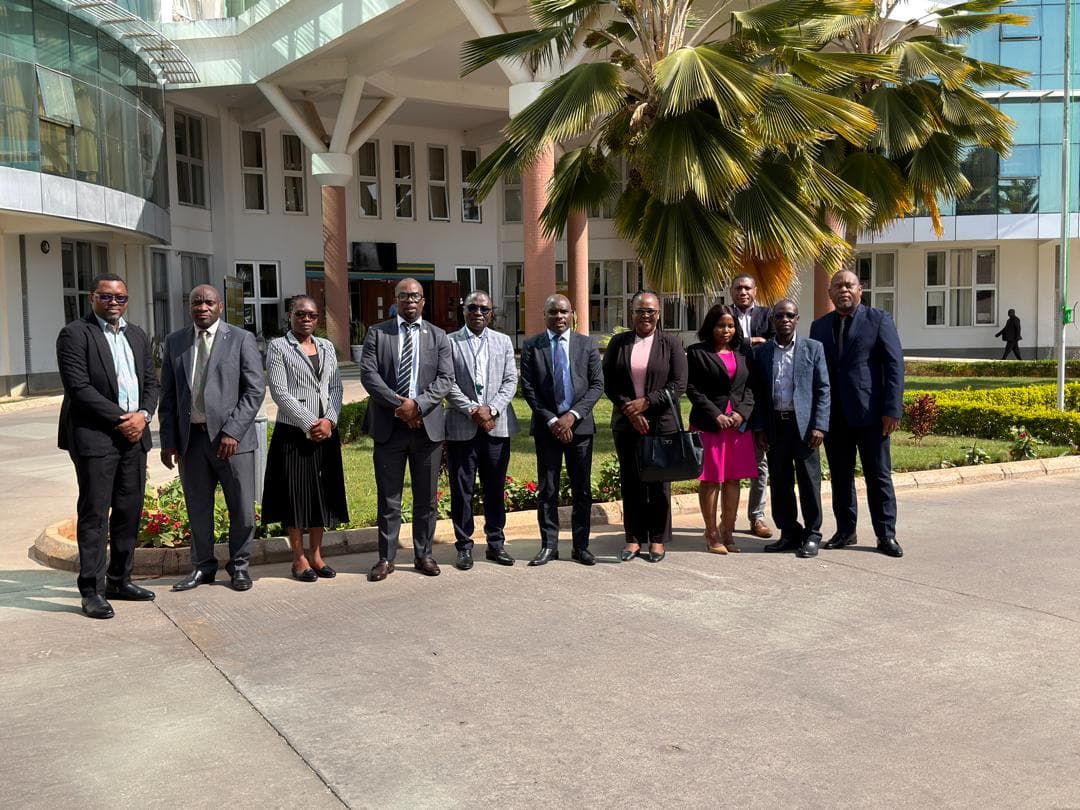
Professionals gathered outside an office building

Systematic Process to Implement an Effective Enterprise Risk Management System

Our risk management team helps organizations to set up their systems of identifying, analysing and responding to events that may hinder the achievement of organization objectives. Risk Management is an inclusive process that requires the involvement of each person within an organization. Our role as expert helpers is to take management through a systematic process on how they can implement an effective ERM system to facilitate the achievement of objectives.

Board Oversight Role

From Compliance to Strategic Leadership

In an era of increasing volatility, Boards can no longer treat risk as a compliance checkbox. Effective Board Oversight of Enterprise Risk Management (ERM) is now a core governance responsibility that protects value and enables strategy. FTCS International supports Boards and Audit & Risk Committees across Africa to strengthen their risk oversight role. We help Boards move from receiving risk reports to actively challenging, shaping, and governing risk.

The Board’s Role in ERM Oversight

Sets the Tone and Risk Culture

Boards establish the culture in which risk is discussed, owned, and linked to strategy.

  • Approve the organization’s Risk Appetite and Risk Tolerance statements
  • Champion a culture where risk is discussed openly and linked to strategy
  • Ensure “tone at the top” promotes ethical behaviour and accountability

Oversee the ERM Framework

Boards ensure a sound ERM framework is approved, understood, and embedded across the organization.

  • Approve the ERM policy and framework aligned to COSO ERM and King IV
  • Ensure ERM is integrated into strategic planning, budgeting, and decision making
  • Confirm that roles and responsibilities for risk are clear: Board, Committees, Management, and 3 Lines of Defense

Monitor Key Risks

Boards keep sight of the top strategic and emerging risks and the effectiveness of responses.

  • Review and challenge the Top Strategic Risks and emerging risks on a quarterly basis
  • Assess the effectiveness of risk responses and mitigation plans
  • Receive independent assurance from Internal Audit, External Audit, and Risk functions

Ensure Risk Information and Reporting

Boards define and receive the risk information they need to make timely, informed decisions.

  • Define what risk information the Board needs to make decisions
  • Review Board Risk Dashboards for clarity, forward-looking insight, and actionability
  • Ensure timely escalation of material risks and breaches of risk appetite

Link Risk to Strategy and Performance

Boards connect risk to strategy execution, investment, and performance outcomes.

  • Challenge management on how risks impact strategy execution and objectives
  • Oversee scenario planning and stress testing for major risks
  • Ensure risk considerations are part of investment, project, and policy approvals

FTCS Support to Boards

Board ERM Training & Overnight Retreats

Building risk literacy and oversight capacity.

Risk Governance Reviews

Assessing Board charters, committee TORs, and reporting lines.

Board Risk Dashboard Development

Designing reports that enable decision-making, not just reporting.

Risk Appetite Facilitation

Guiding Boards to define and articulate risk appetite.

Independent Assurance

Reviewing the maturity and effectiveness of the ERM function.